Notes on Turkey and the Region

Essays on Turkey, Istanbul, regional economics, cities, work and capital flows.
Recent Essays
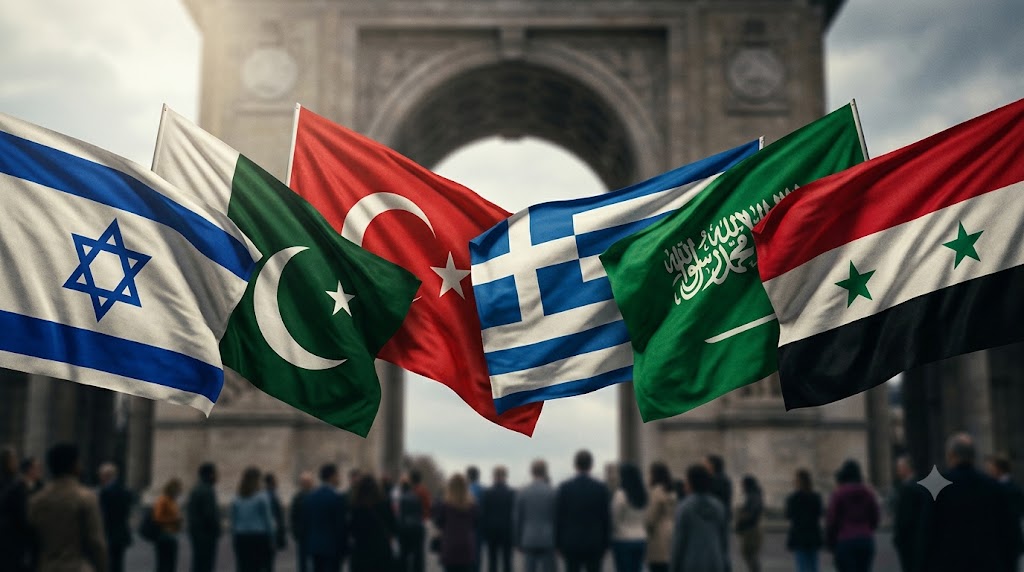
Turkey's Next Test May Not Be War — But Strategic Friction
As Ankara expands its regional influence, the more plausible challenge is not a conventional military confrontation but a combination of proxy pressure, diplomatic containment, and carefully managed crises designed to make Turkey overreact.

AI 2.0: When the Machine Gets a Body
AI 1.0 stayed on the screen. Now it is entering the physical world — and the last human link in the decision chain is about to be tested.

The Knot of the Seas: How Turkey Is Filling the Maritime Space the West Is Vacating
Four simultaneous developments — Black Sea diplomacy, Latakia port calls, a shipbuilding boom, and the Middle Corridor — reveal Turkey converting geography into durable power as Western navies lose capacity.
Why Turkey Gives Away Its Defense Technology - And Why That's Genius
A strategic reading of Turkey's defense co-production model, arguing that influence today may come less from hoarding capability and more from becoming the network that distributes it.
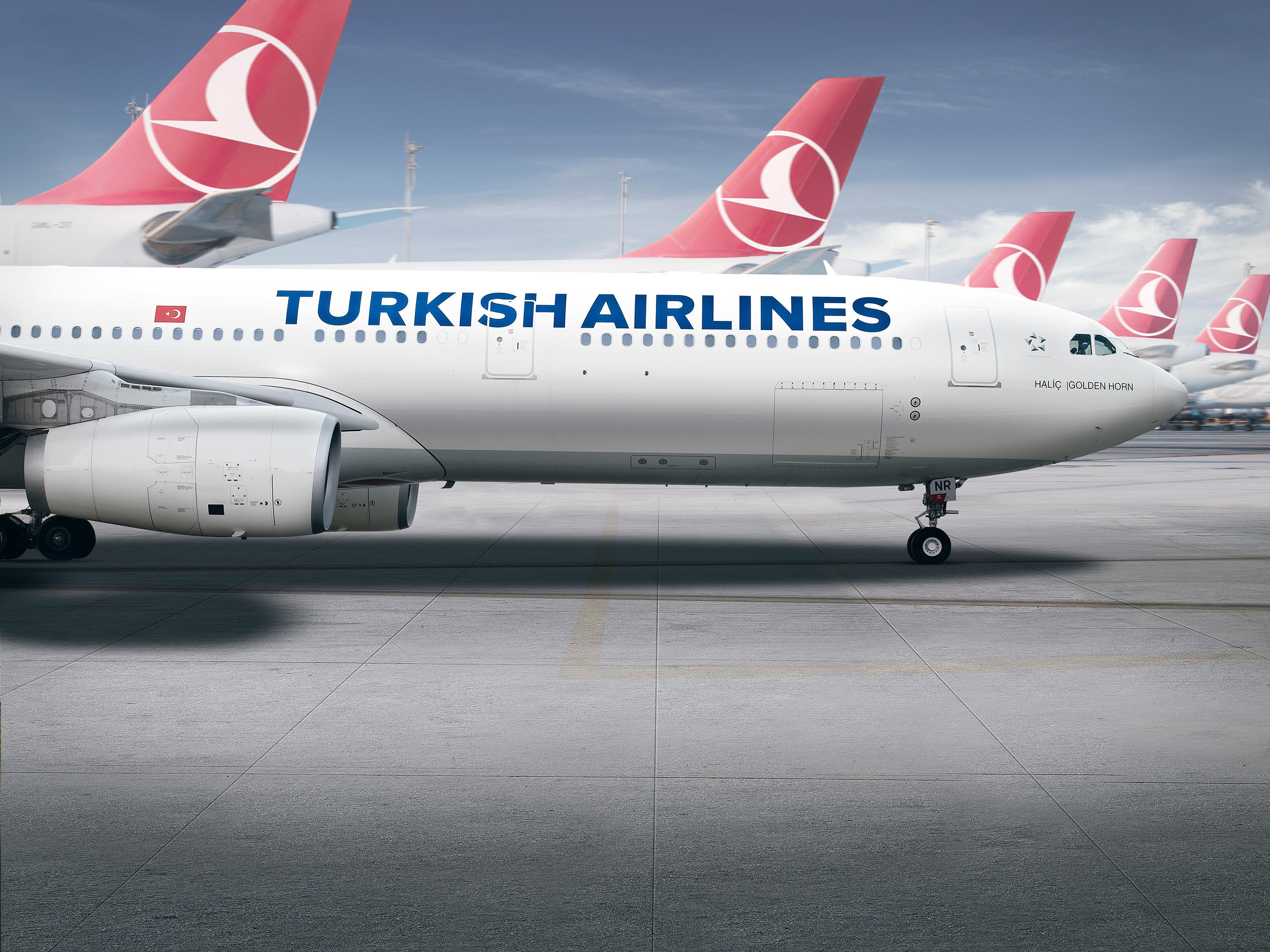
THY 800 Uçağa Ulaşacak. Asıl Soru Koltuk Başına Ne Kazanacağı.
Dünyanın en büyük hub'ı kuruldu, rekorlar kırıldı. Şimdi sıra ölçeği değere dönüştürmeye geldi.
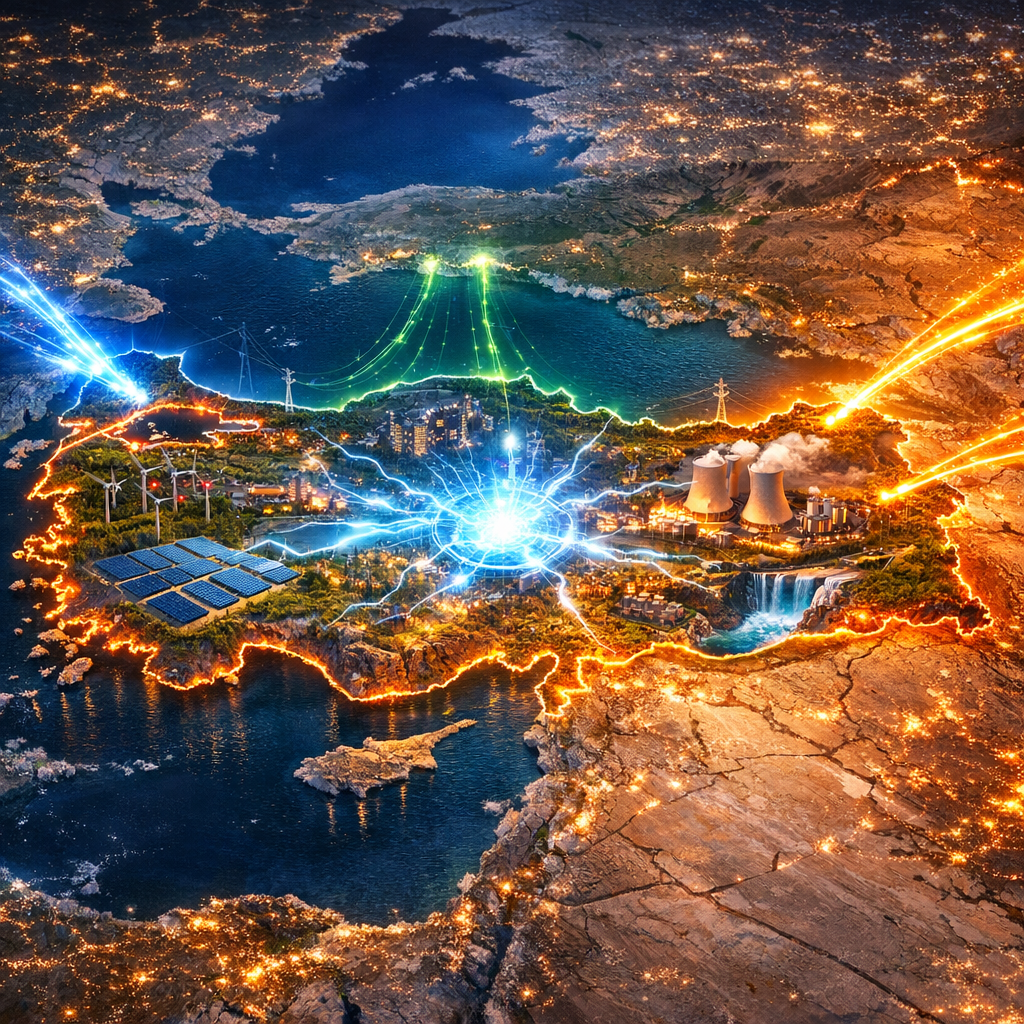
Axis Construction, Not Axis Shift: Turkey and the New Regional Center of Gravity
Turkey is often described through the phrase axis shift. A more useful reading is a wider regional reordering shaped by logistics, defense, energy and capital flows.
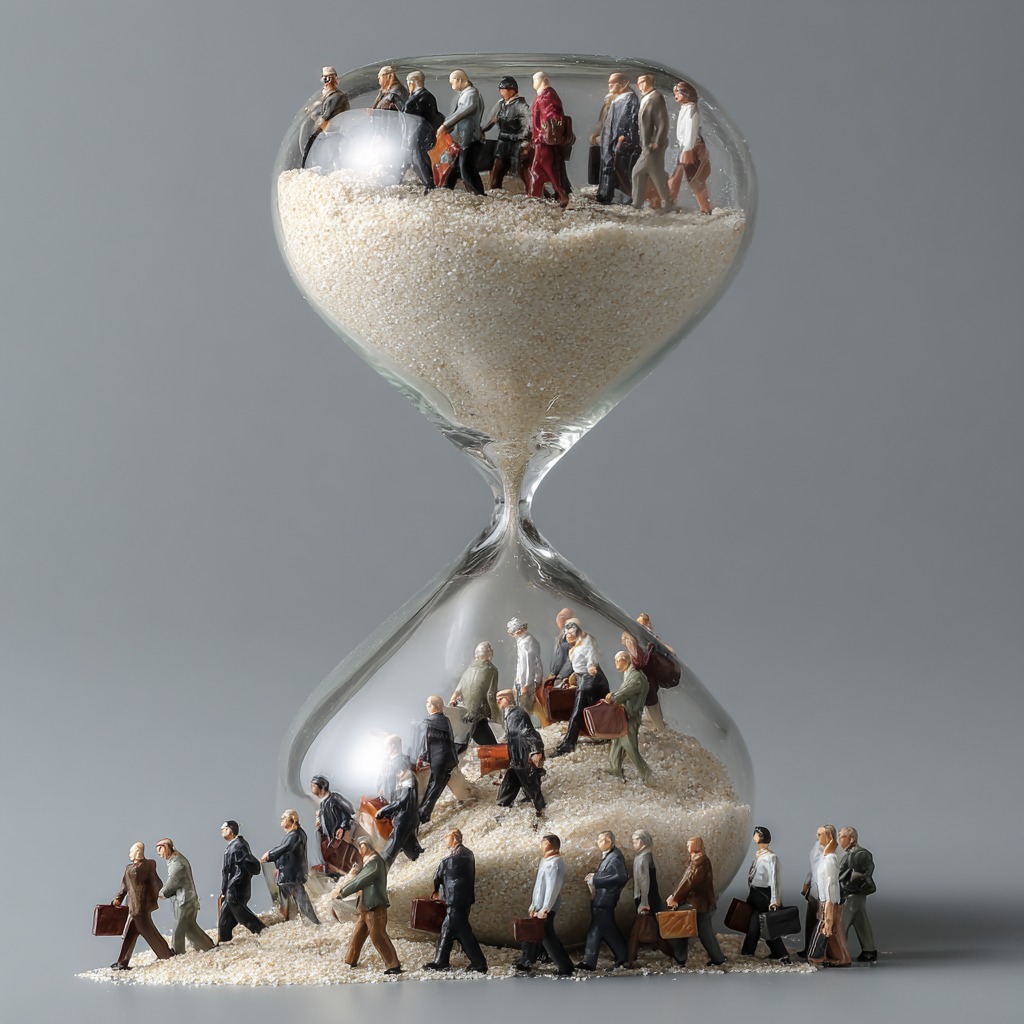
The Hourglass Economy of Turkey
Turkey's economy increasingly behaves like an hourglass: pressure in the middle, resilience at the top, survival strategies at the bottom.
Polycentric Istanbul: A New Business Geography for Turkey
Istanbul's next business cycle may depend on whether the city can move toward a more distributed, polycentric office geography.

The Silver Economy Opportunity
Aging is often discussed as a burden, but for Turkey and the region it may become a major opportunity in services, real estate and healthcare.
Turkey, cities, work and capital flows.
- Turkey and the Region
- Istanbul and Polycentric Cities
- Office Market and Work
- Capital Flows and Investment
- Demographics and the Silver Economy
- AI, Talent and Business Transformation