Axis Construction, Not Axis Shift: Turkey and the New Regional Center of Gravity
Turkey is often described through the phrase axis shift. A more useful reading is that the country is participating in a wider regional reordering shaped by logistics, defense industry, energy routes, trade and capital flows.
Executive Summary
- Turkey is often analyzed through the language of an “axis shift”, but that frame may be too narrow.
- A more useful reading is that Turkey is participating in the construction of a new regional center of gravity.
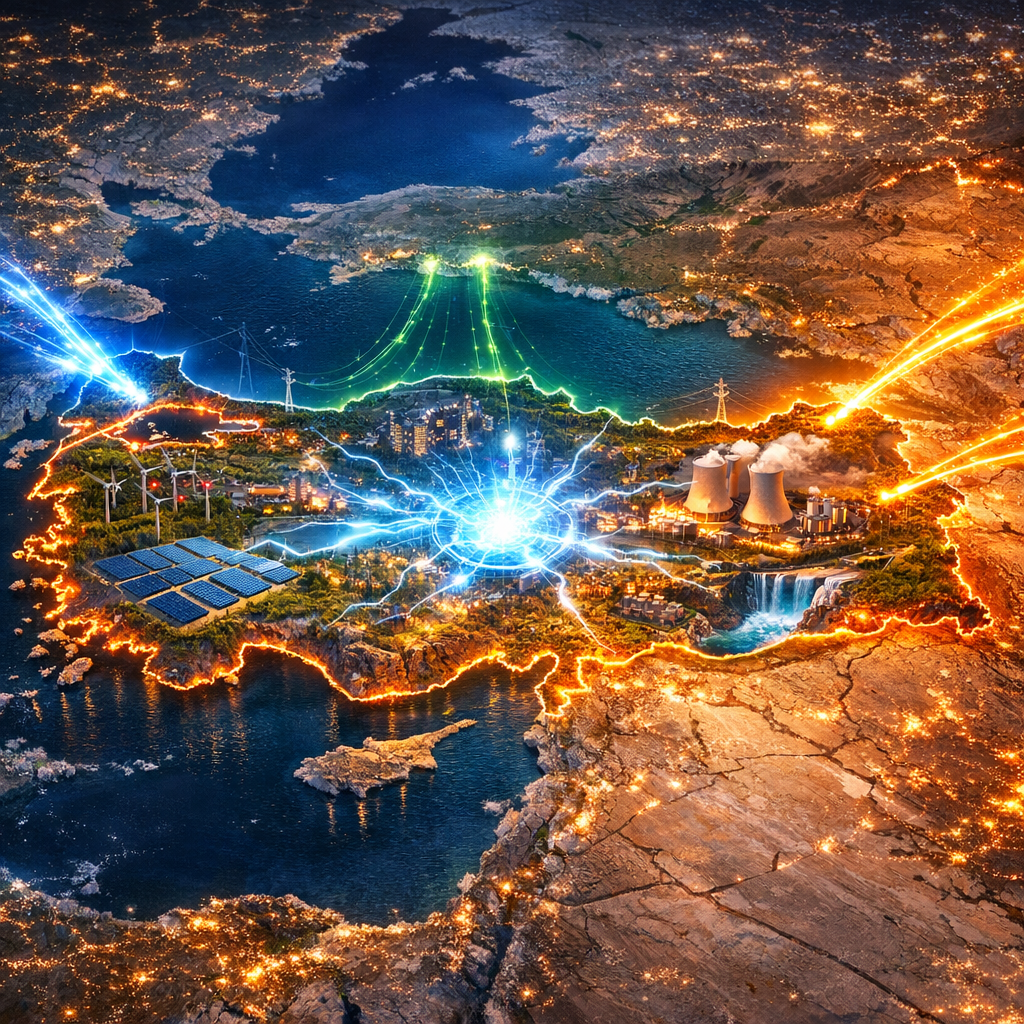
- Logistics, defense industry, energy routes, aviation, trade corridors and regional networks are becoming economic instruments as much as geopolitical ones.
- The main test is not rhetoric, but whether geography and industrial ambition can be converted into durable economic capacity.
Editorial Note
This essay is a general strategic interpretation based on publicly visible economic, industrial, logistical and diplomatic trends. It does not claim access to confidential information, does not attribute intent to any individual or institution, and does not target any public authority, political figure or state body.
Written in Florence, Italy · April 2026
Article
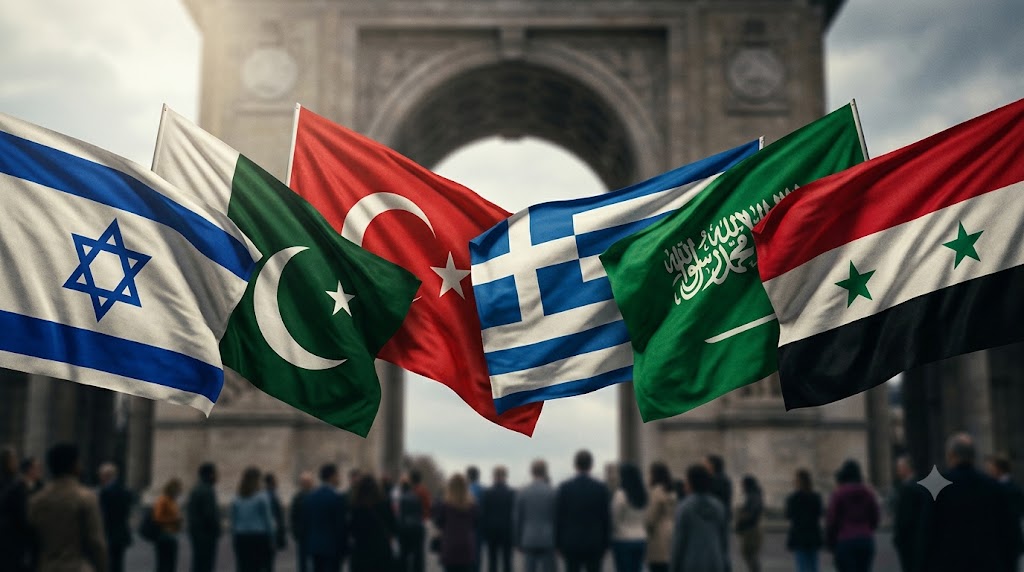
Turkey is frequently discussed through the language of volatility, alignment and geopolitical tension. In many international conversations, one recurring phrase is “axis shift” - the idea that Turkey is moving away from one side and toward another.
That phrase may be too narrow.
A more useful reading is that Turkey is not merely shifting axis; it is participating in the construction of a new regional center of gravity. This does not require reading every decision as a dramatic break with existing relationships. It can also be understood as a long-term effort to increase flexibility in a world where global power is becoming more fragmented.
The distinction matters. An axis shift suggests replacement: one dependency exchanged for another. Axis construction suggests capacity: the gradual accumulation of economic, industrial, logistical and diplomatic tools that allow a country to operate with greater flexibility.
In that sense, Turkey’s long-term question is not only where it stands. It is also what it can build.
Beyond The Bridge Metaphor
For decades, Turkey has been described as a bridge between East and West. The metaphor is familiar, and in many ways accurate. Turkey sits between Europe, Asia, the Black Sea, the Mediterranean, the Caucasus and the Middle East.
But a bridge is a limited image. A bridge allows passage. A hub organizes flows.
The more important economic question is whether Turkey can turn location into value. A corridor carries movement. A hub connects, prices, services and organizes that movement. This is where airports, ports, rail corridors, customs capacity, energy routes and digital infrastructure become part of a broader economic story.
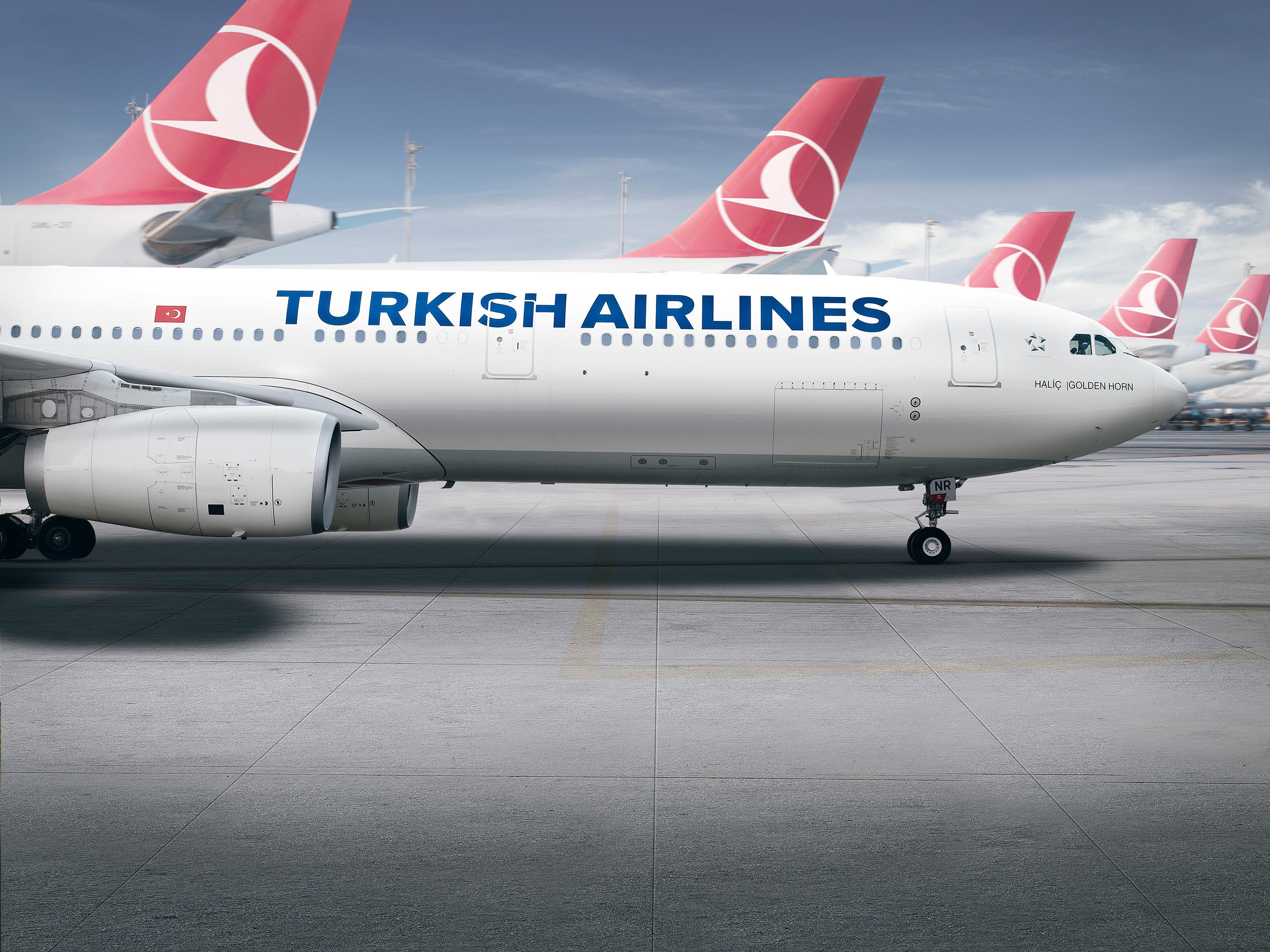
Istanbul Airport and Turkish Airlines are visible examples of this logic. Their importance is not only passenger traffic. They also place Turkey inside the regular movement of people, business travel, regional meetings, trade connections and information flows.
The same broader logic applies to the Middle Corridor and Eurasian connectivity. If global supply chains continue to seek alternatives and backup routes, Turkey’s location becomes more relevant. But geography alone is not enough. The real value comes from reliability, service quality and institutional depth.
Geography is an advantage. Infrastructure and execution decide how much of that advantage becomes economic value.
Defense Industry As Industrial Capacity
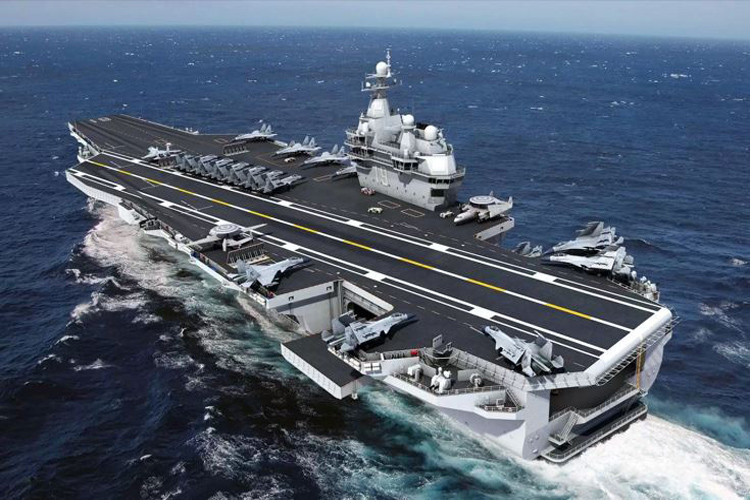
Turkey’s defense industry is often discussed through a security lens. That is understandable, but it is not the only lens.
Defense-related production also involves engineering, software, electronics, sensors, advanced manufacturing, supplier development and skilled labor. These are industrial capabilities with wider economic relevance.
This matters because higher value-added production is one of the central questions for Turkey’s long-term economy. A country that develops more design, engineering and technology capacity can gradually improve its export profile and retain more skilled talent.
This does not mean isolation from international cooperation. On the contrary, the stronger model is selective domestic capability combined with international integration. The point is not to produce everything alone, but to reduce vulnerability in critical areas and improve bargaining power in global value chains.
For Turkey, defense industry can therefore be read as one part of a broader industrial upgrading story.
Energy, Routes And Economic Resilience
Energy has always been central to Turkey’s external position. The country is a major consumer market, but it is also located near important producer regions, transit routes and maritime energy zones.
This makes energy a question of economic resilience.
Natural gas discoveries, pipeline diplomacy, renewable capacity, nuclear energy investment and regional energy routes all point to the same structural issue: reducing vulnerability while increasing Turkey’s role in surrounding energy flows.
This should not be presented as a simple or completed story. Import needs, financing conditions, technology requirements and global price cycles remain important constraints. But every additional layer of diversified capacity can improve flexibility over time.
Energy independence is rarely absolute. Energy resilience is a more realistic and useful frame.
Regional Connectivity: Africa, Central Asia And The Wider Neighborhood
Turkey’s engagement with Africa, Central Asia and its wider neighborhood is another part of this broader map.
The tools are diverse: trade, contracting, airlines, education, cultural ties, business networks, humanitarian institutions and private-sector investment. None of these tools should be exaggerated on its own. Their importance is cumulative.
In Africa, Turkey has expanded its commercial and diplomatic presence over time. In Central Asia, linguistic and historical ties create a different kind of platform, especially when combined with logistics, trade and institutional cooperation.
The long-term value of these relationships is not only commercial. It is also relational. Countries build influence not only through formal agreements, but also through familiarity, trust and operational presence.
Education is especially important in this respect. Students, engineers, diplomats, entrepreneurs and professionals who spend part of their formation in Turkey may later become bridges between institutions and markets.
This is slow power. It does not produce immediate results, but it can shape networks over decades.
Stability As Economic Infrastructure
Turkey’s neighborhood is complex. The Black Sea, Syria, the Eastern Mediterranean, the Caucasus and the wider Middle East all contain overlapping interests and recurring tensions.
In such an environment, stability is not only a diplomatic preference. It is also economic infrastructure.
Investment, tourism, trade, logistics and financing conditions all benefit from predictability. A country located near several sensitive regions has to manage economy and security together, while avoiding unnecessary escalation and overextension.
This balance is difficult. It requires diplomatic channels, commercial pragmatism, institutional patience and careful risk management. No single tool is sufficient.
The Economic Test
Strategic positioning cannot be measured only through infrastructure projects, diplomatic visibility or industrial announcements. Its deeper test is economic durability.
The practical questions are straightforward:
Can Turkey increase high value-added production?
Can it reduce vulnerability while remaining open to the world?
Can logistics and energy advantages translate into sustainable income?
Can skilled labor be retained and expanded?
Can long-term predictability support investment?
Can regional presence become commercial depth?
These questions matter because autonomy is not a slogan. It requires capital, credibility, technology, education, management capacity and time.
Short-term economic pressures should not be ignored. Inflation, financing costs and global risk appetite all shape what is possible. But they can be analyzed alongside the longer structural question: whether Turkey can convert geography and industrial ambition into durable economic capacity.
Risks And Constraints
A balanced reading should include constraints.
First, geography creates opportunity, but also exposure. Being close to several regions means being close to several risks.
Second, infrastructure alone does not guarantee value capture. Ports, airports, corridors and energy routes create value only when supported by reliability, regulation, service quality and investor confidence.
Third, strategic flexibility should not be confused with self-sufficiency. No modern economy can or should try to produce everything alone. The stronger model is selective capability combined with deep international integration.
Fourth, predictability matters. Long-term capital responds not only to opportunity, but also to confidence in the rules, quality of execution and continuity of service.
These constraints do not cancel the main thesis. They define the conditions under which it can become more durable.
Conclusion: Capacity Is Built Over Time
Turkey’s story is often compressed into binary categories: East or West, crisis or opportunity, alignment or distance.
The reality is more layered.
Turkey remains connected to existing alliances, markets and institutions. At the same time, it is developing wider economic, industrial, logistical and regional capabilities that may increase its room for maneuver over time.
This is why “axis shift” is an incomplete phrase. It suggests movement from one side to another. A more useful concept may be axis construction: the gradual building of capacity, connectivity and optionality.
The outcome is not guaranteed. It depends on execution, credibility, investment, technology, human capital and macroeconomic discipline.
But the direction is worth studying.
In a world where global power is becoming more fragmented, countries that only choose between existing centers may remain dependent on them. Countries that build capacity can negotiate from a more balanced position.
Turkey’s strategic question, therefore, is not simply where it aligns.
The deeper question is what it proves capable of building.
FAQ
Is this essay arguing that Turkey is changing sides?
No. The essay argues that “axis shift” is an incomplete frame. A more balanced reading is that Turkey is widening its room for maneuver while continuing to operate within multiple international relationships.
What does strategic autonomy mean here?
It means greater flexibility through domestic capability, diversified partnerships, logistics relevance, energy resilience and regional networks.
Is this a political argument?
No. The essay is written as an economic and geopolitical interpretation of publicly visible trends. It is not a partisan or personal argument.
What are the main risks?
The main risks are financing conditions, regional instability, implementation capacity, global market cycles and the need for long-term predictability.